
Cost & Planning
Does a Home Warranty Cover Flooring? What Actually Pays When a Floor Fails
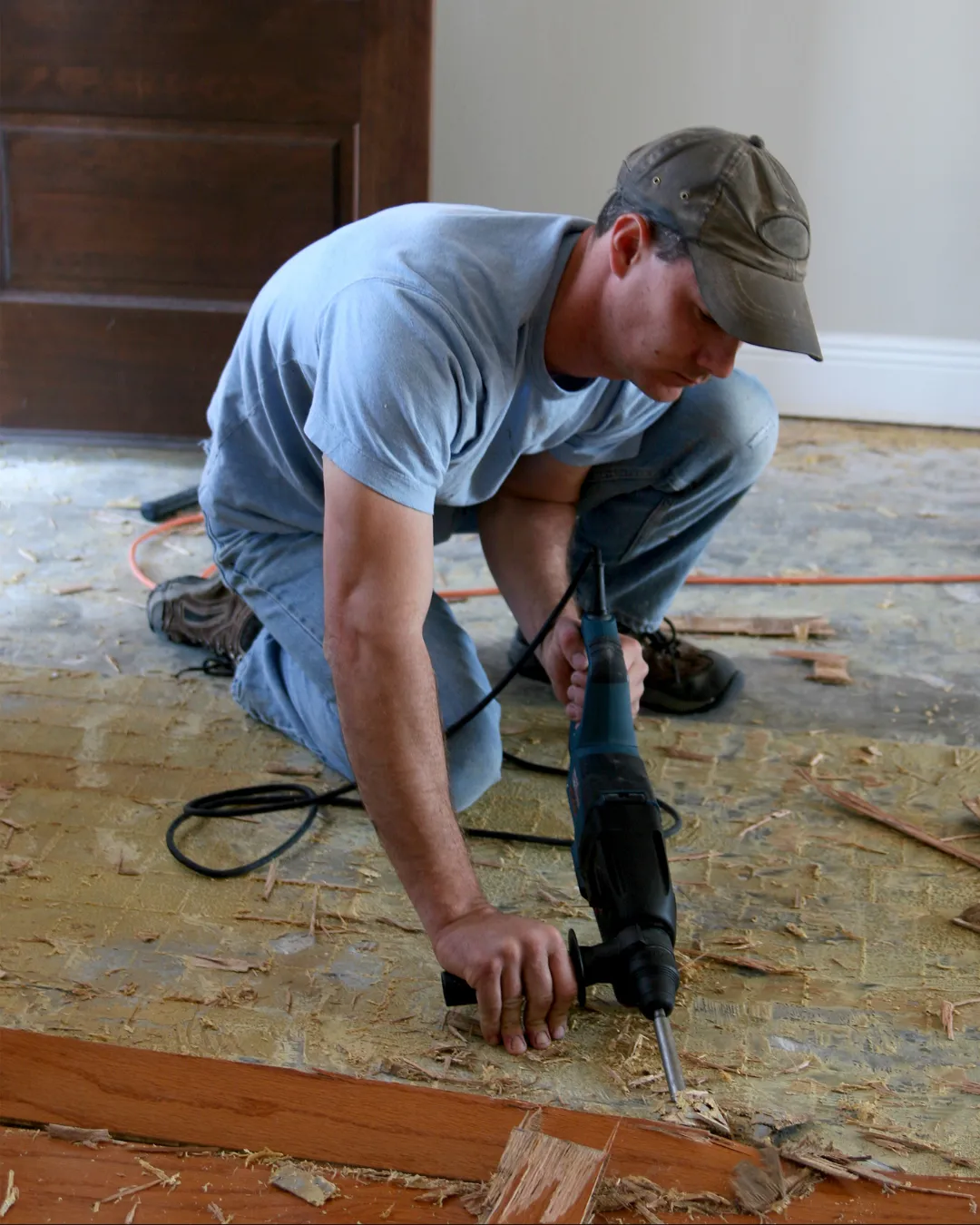
When a floor fails, the first question is usually who pays for it. Many North Carolina homeowners have a home warranty, often bought at closing, and assume it covers the floors. In almost every case it does not. Flooring problems are covered, when they are covered at all, by one of three other things: your homeowners insurance, the flooring manufacturer's warranty, or the guarantee from whoever installed the floor. Each one covers a different kind of failure. This guide explains which is which, so you call the right one first.
The short answer
A home warranty is a service contract that pays to repair or replace the home's systems and appliances when they break from normal wear: heating and air, water heater, plumbing and electrical lines, and kitchen appliances. Floors are not a system or an appliance, and standard home warranty contracts list flooring among the things they do not cover.
Where a home warranty sometimes matters is the cause. If a covered water heater or supply line fails, the warranty may pay to fix the water heater or the pipe. The floor that the water ruined is a separate question, and most contracts exclude that resulting damage or cap it at a small amount. Read the exclusions section of your own contract, because the terms vary between companies and plan levels.
Who covers what
Match the cause of the problem to the coverage.
- ✓Homeowners insurance: sudden and accidental damage, such as a burst pipe, an appliance hose that splits, a fire, or a tree through the roof. It generally does not cover slow leaks that went on for months, wear, or flooding from outside water, which needs separate flood insurance.
- ✓Manufacturer's warranty: defects in the flooring product itself, such as planks that delaminate, a finish that fails early, or a wear layer that wears through well before its rated life under normal use.
- ✓Installer's workmanship guarantee: problems caused by how the floor was put in, such as seams opening, hollow-sounding tile, a floating floor that buckles because no expansion gap was left, or glue-down planks that release.
- ✓Builder's warranty: on a newly built home, problems in the first year or two, including flooring and installation, are usually the builder's to fix. Check your builder's warranty documents for the period and terms.
- ✓Home warranty: the appliance or plumbing component that caused the damage, not the floor.
Water damage: the most common case
Most flooring claims start with water, and the answer depends on how the water got there. A supply line that bursts and floods the kitchen overnight is the kind of event homeowners insurance is designed for. A dishwasher or toilet seal that seeped for a year and softened the subfloor is usually treated as gradual damage and excluded. That is why it is worth looking under sinks and around toilets now and then, and dealing with a soft or stained spot straight away.
If you have a sudden leak, stop the water, take photos before anything is moved, and call your insurer before tearing out flooring, because the adjuster may want to see it. Our guide to water-damaged hardwood floors covers drying, documentation and what can be saved, and our guide to subfloor repair covers what happens underneath.
Defects and installation problems
If the floor fails without water or an accident, it is usually either the product or the installation, and the two warranties work very differently. Manufacturer warranties often run for many years, but they are prorated, require the floor to have been installed to their instructions, and often supply replacement material without the labor to install it. Our guide to what a flooring warranty actually covers explains the fine print, including the exclusions behind most declined claims.
Installation problems go back to the installer. That is why it matters who installed the floor, whether they are still in business, and whether their guarantee is in writing.
If you bought a house with the floors already in
Buyers often get a home warranty from the seller at closing and inherit floors with no paperwork. Manufacturer warranties on many residential floors apply only to the original purchaser, and an installer's guarantee may not transfer either. In practice, the floors in a home you bought are covered by your homeowners insurance for sudden damage, and otherwise by you.
It helps to know what you have. If you can find out the brand and product, or the company that installed it, keep that with your house records. If not, a flooring professional can usually tell you what type of floor it is and how much life it has left.
Our guarantee, and what to ask any installer
Every floor APW installs is covered by our 100% product and labor guarantee, so if something goes wrong with a floor we supplied and installed, you call one company rather than sorting out whether it is the product or the installation. We have been installing floors from our Angier showroom since 1973 with our own background-checked, trained installation professionals.
Whoever you hire, ask three things before you sign: who installs the floor, what the workmanship guarantee covers and for how long, and whether labor is covered if the product turns out to be defective. If you have damage now, see flooring repair in Angier, flooring repair in Garner and flooring repair in Fuquay-Varina, or book a free estimate and we will tell you what can be repaired and what needs replacing.
Ready To Plan Your Floors?
Get a free in-home or in-store consultation with our Angier team. We match the right product to every room and back it with a 100% satisfaction guarantee.
Get My Free Estimate