Buying Guide
The Best Flooring for North Carolina's Humid Climate
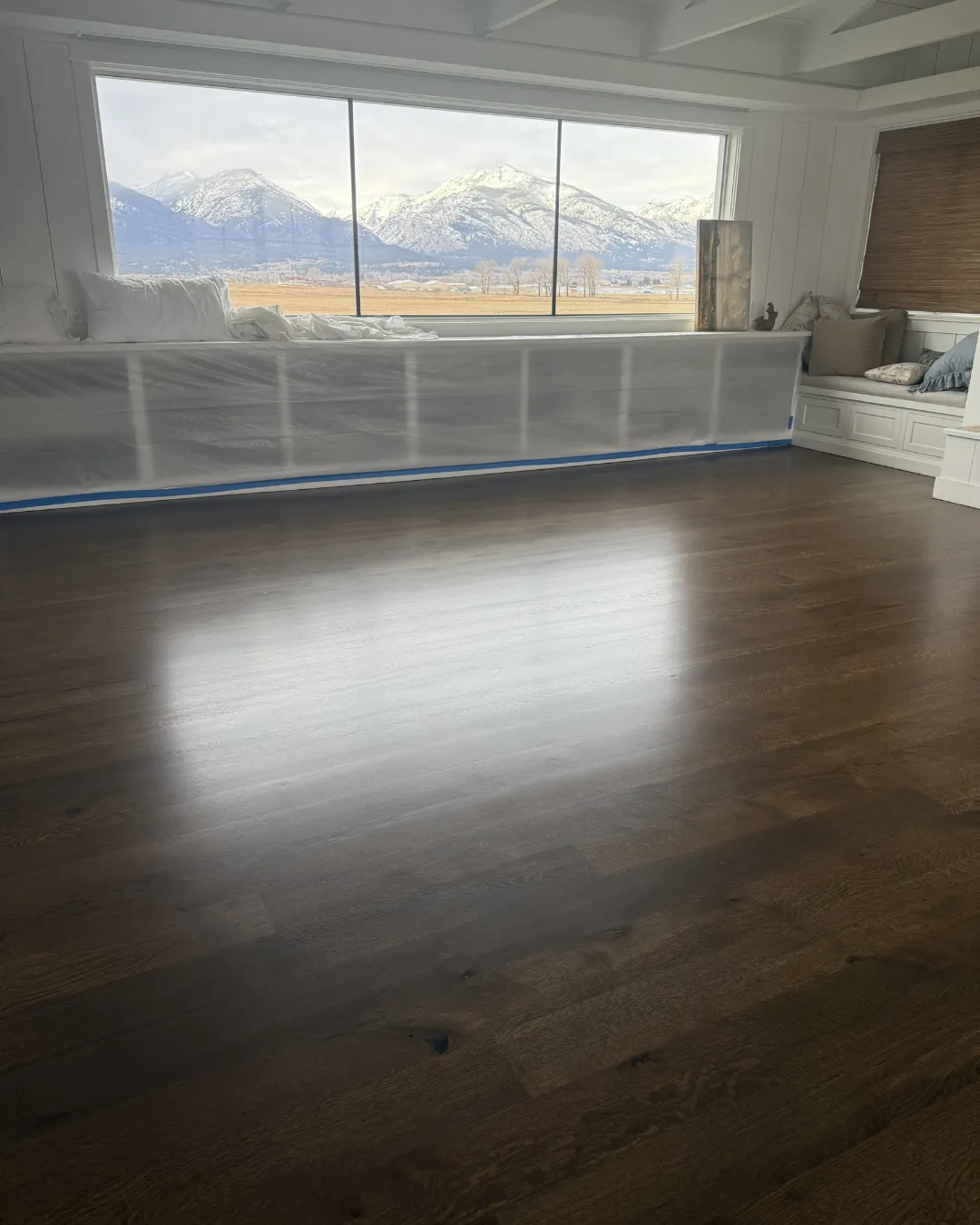
North Carolina is beautiful, but its warm, humid climate can be hard on the wrong flooring. Excess moisture can cause solid wood to cup and gap, encourage mildew under the wrong materials, and shorten the life of floors that are not built for damp conditions. The good news is that plenty of flooring options thrive here. This buying guide walks through the strongest choices for central North Carolina homes and explains what makes each one a smart fit for a humid climate.
How Humidity Affects Your Floors
Wood and wood-based materials naturally absorb and release moisture from the air. In a humid climate like central North Carolina, that means floors can expand in the muggy summer months and contract when indoor air dries out, which can lead to gapping, cupping, or buckling if the wrong material or installation is used.
The key is choosing materials that are dimensionally stable and pairing them with proper installation and acclimation. Managing indoor humidity with your HVAC system also goes a long way toward protecting any floor you choose.
Solid Hardwood vs. Engineered Hardwood
Solid hardwood is timeless and can be refinished multiple times, but a single plank of solid wood is the most sensitive to humidity swings. In damp central North Carolina conditions, solid wood needs careful acclimation, climate control, and skilled installation to stay looking its best.
Engineered hardwood offers the same real-wood surface but is built on a layered, cross-directional core that resists expansion and contraction far better. For many North Carolina homeowners who love the look of wood, engineered hardwood is the more stable and worry-friendly choice.
- ✓Solid hardwood: beautiful and refinishable, but most sensitive to humidity swings.
- ✓Engineered hardwood: real-wood look with far better dimensional stability in damp conditions.
- ✓Both benefit from proper acclimation and climate control for the best long-term results.
Why Tile Is a Humidity Champion
Tile and stone are among the most humidity-friendly flooring choices available. Porcelain and ceramic tile do not absorb moisture the way wood does, so they resist swelling, warping, and mildew, making them ideal for bathrooms, kitchens, entryways, and other moisture-prone rooms.
Tile also keeps interiors cooler during hot North Carolina summers and stands up to heavy traffic for decades. With a wide range of wood-look and stone-look tiles available, you can get the style you want with outstanding moisture performance.
Waterproof LVP for Peace of Mind
Luxury vinyl plank and waterproof flooring have become favorites in humid climates for good reason. Their synthetic, water-resistant construction shrugs off spills, damp air, and moisture-prone rooms, and many products are fully waterproof from top to core.
For homeowners who want the look of wood with maximum moisture protection and easy maintenance, waterproof LVP is one of the most reliable options for central North Carolina living. It performs well throughout the home, including basements and other damp-prone spaces.
Matching Flooring to Each Room
The best strategy is often to mix materials by room based on moisture exposure. Reserve tile and waterproof LVP for the wettest spaces, and enjoy engineered hardwood or laminate in drier living areas and bedrooms where humidity is easier to control.
Every home is different, and the right combination depends on your layout, lifestyle, and taste. A free in-home consultation helps you see samples in your own space and match each room to the flooring that will last. Start with a free estimate whenever you are ready. If hardwood is on the list, solid vs engineered hardwood in NC covers which construction copes with our humidity.
Ready To Plan Your Floors?
Get a free in-home or in-store consultation with our Angier team. We match the right product to every room and back it with a 100% satisfaction guarantee.
Get My Free Estimate